
Best Of
Re: _K's krazy krash kourse of KATastrophe
DOOM Eternal (15.4 hours): 
You can't just shoot a hole into the surface of Mars. This is a masterful game. Prior to starting the game I replayed 2016 and my biggest complaint was how slow and heavy the DOOM Slayer felt. They fixed that with Eternal, now I was a nimble little butterfly zipping through the air landing on heads while raining sticky nades on demon's faces. Eternal takes place after 2016 with a continuation of the story line. The demon invasion of Earth has been completed but between it starting and now you acquired an space battle station that serves as the hub for all missions and viewing any of your items you have collected in the levels. Starting this straight off from 2016 I hated the controls and push to using abilities like a flame thrower, nades, and a high damage punch but after playing several levels back to back it didn't matter because it just gives you the ability to dump more dmg on demons while doing weapon switches.
Being able to dash, double jump, and do extreme latches to perform glory kills or a chainsaw murder meant movement speed was double to triple what it felt like in 2016. The story felt a lot more engaging as I would pause mid mission to read text pages I found because I became very interested in the narrative and back story. This doesn't mean there are some weird ass holes like being introduced to the betrayer in game but has no real value. Plus nothing like making the slayer swim through some radioactive water to drain a room but everyone loves water levels. By the last set of missions in game I had to turn down the difficulty because I kept getting swarmed and juggled into a death spiral with several of the fast and cheap demons that also had long range power attacks; snake ladies, teleporting demons, the dual sword wielding weeb. But that also lowered the difficulty to much because I rolled into the final boss with 16 extra lifes.
The game brought in the old idea of 1Ups in a very good way. You can find and stock them so when you are in the middle or end of a big fight that is tough and you die you just auto spawn in place with a few seconds of invulnerability to try and recover. Being able to just carry on through a fight saved me a lot of frustration and time in long big fight sequences. At the same time I learned to exploit the glory kill mechanic when I was getting swarmed bad to pull the invulnerable frames when a big attack was hitting.
This game was choice and HIGHLY addictive. At points I had to keep myself from pounding on the desk and screaming RIP AND TEAR because I was so pumped. They slayers furry knows no bounds and the legions of hell stand no chance in the onslaught of his unequaled rage.
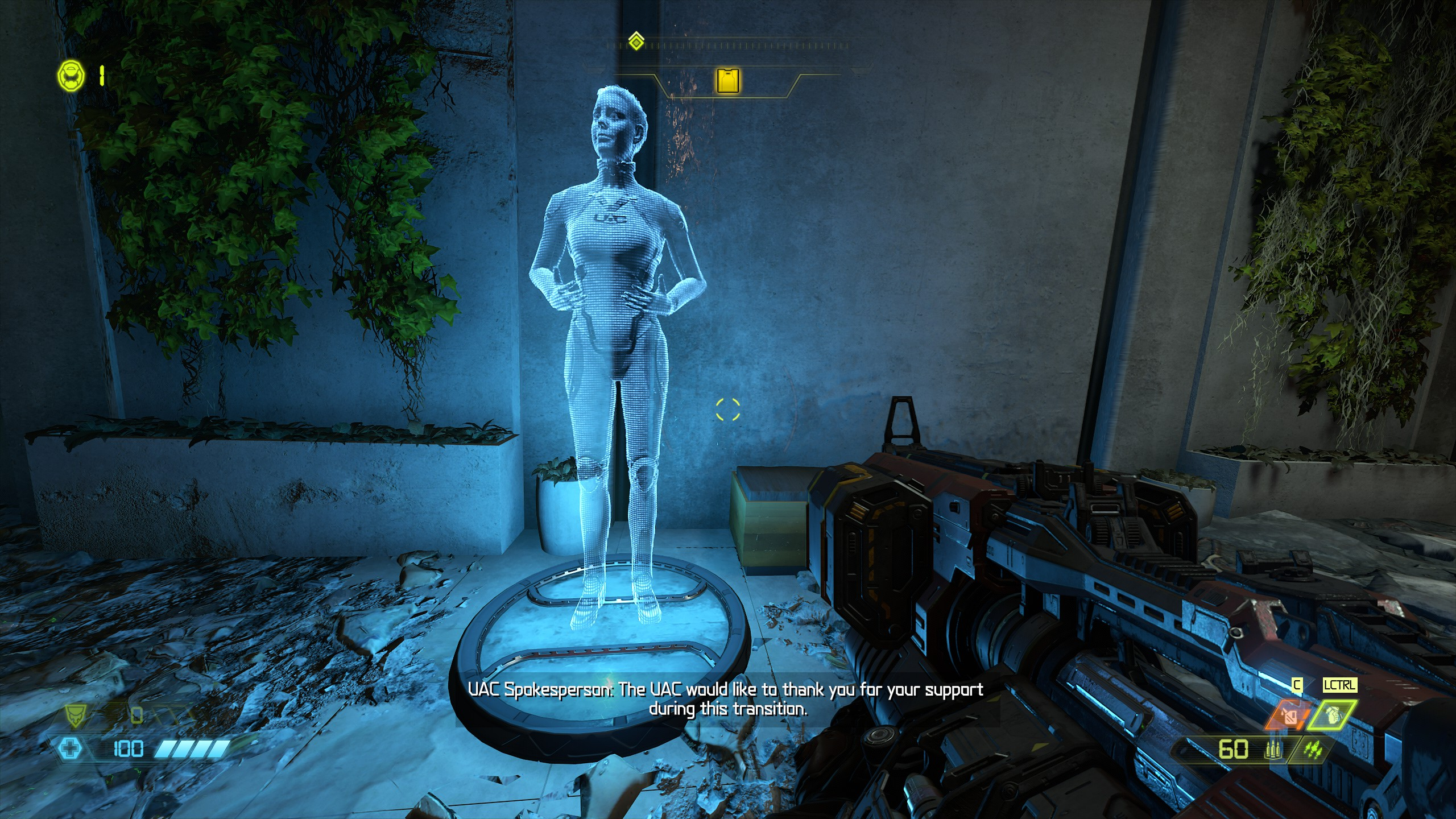
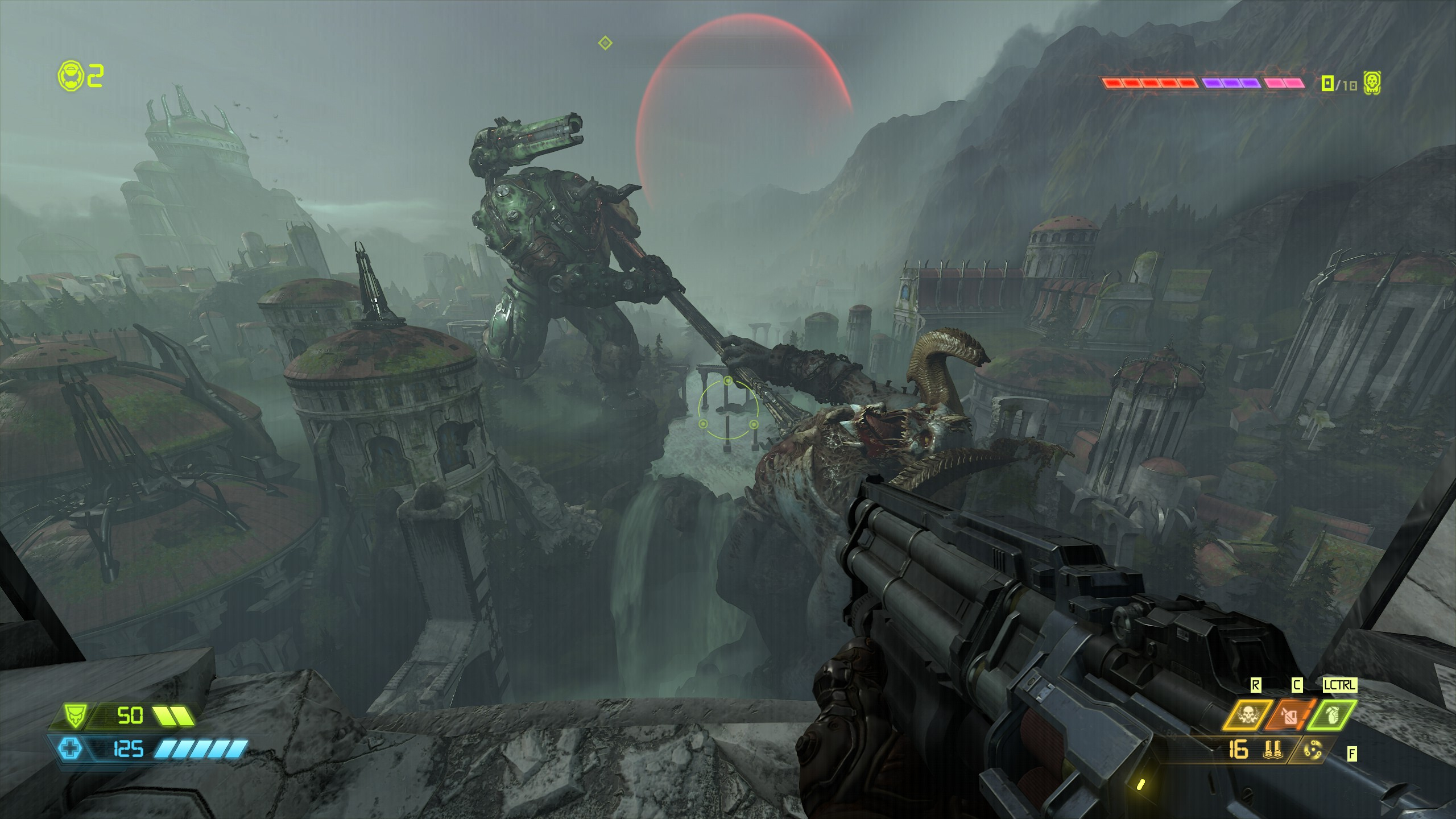
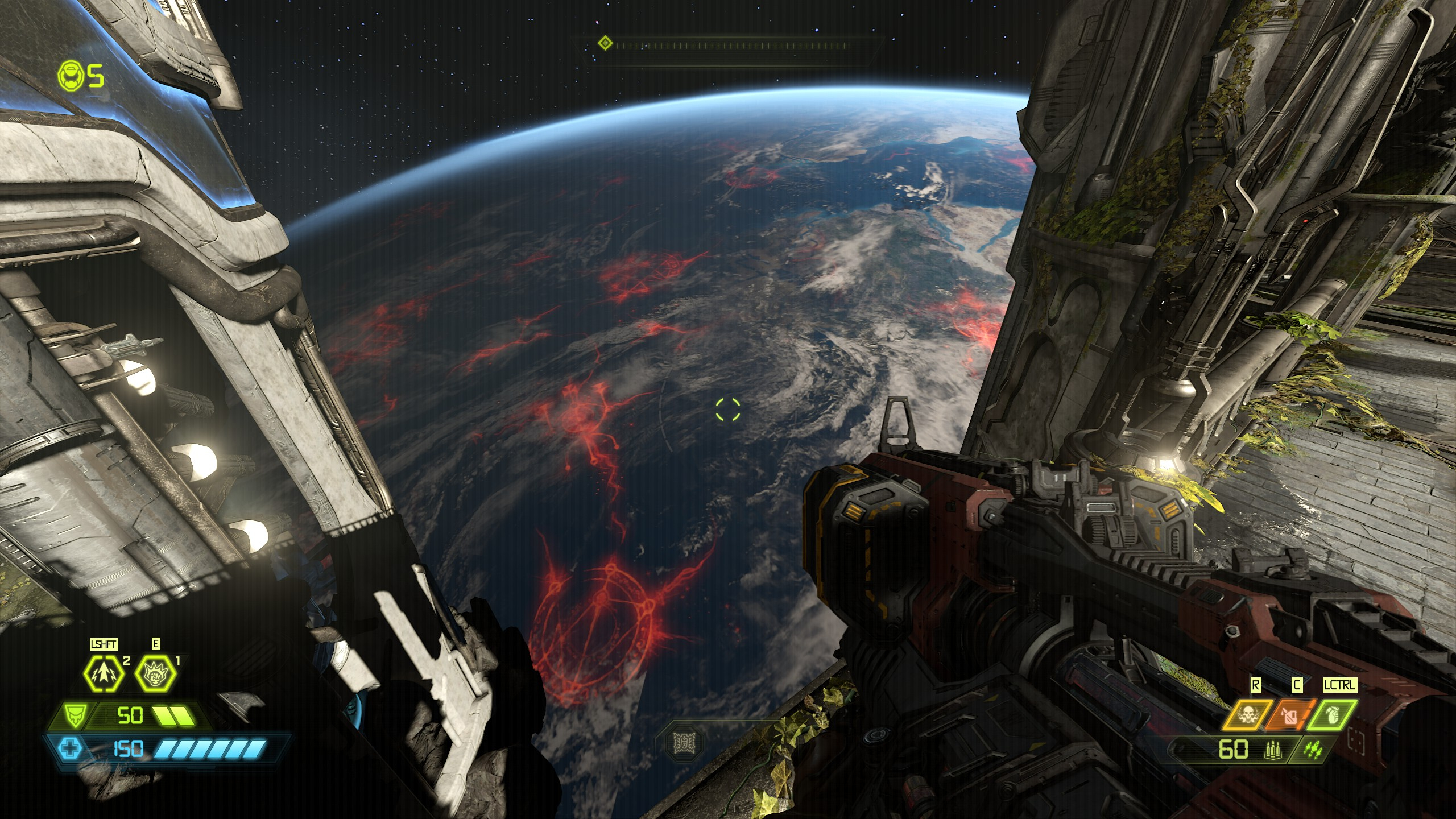
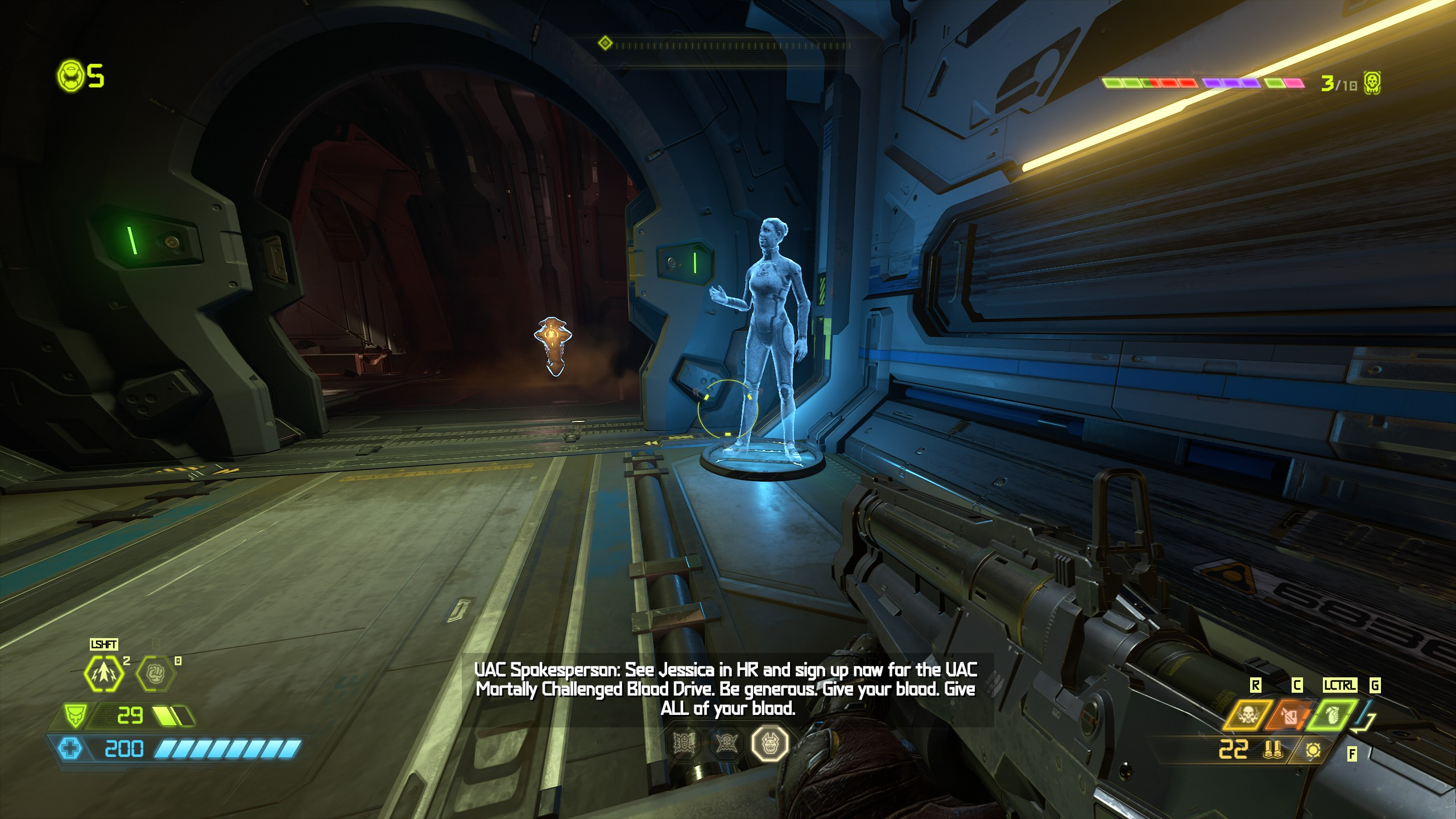
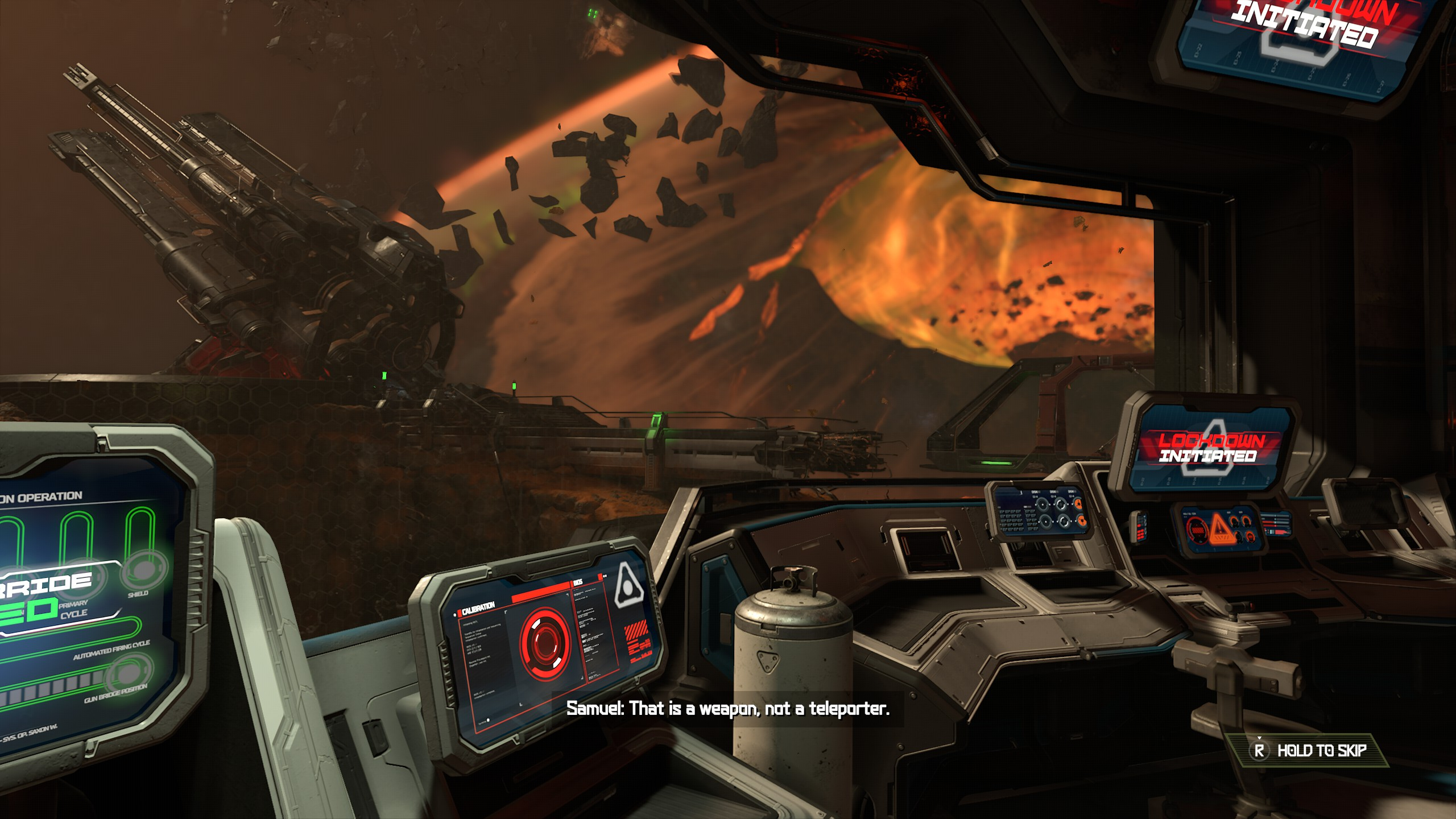
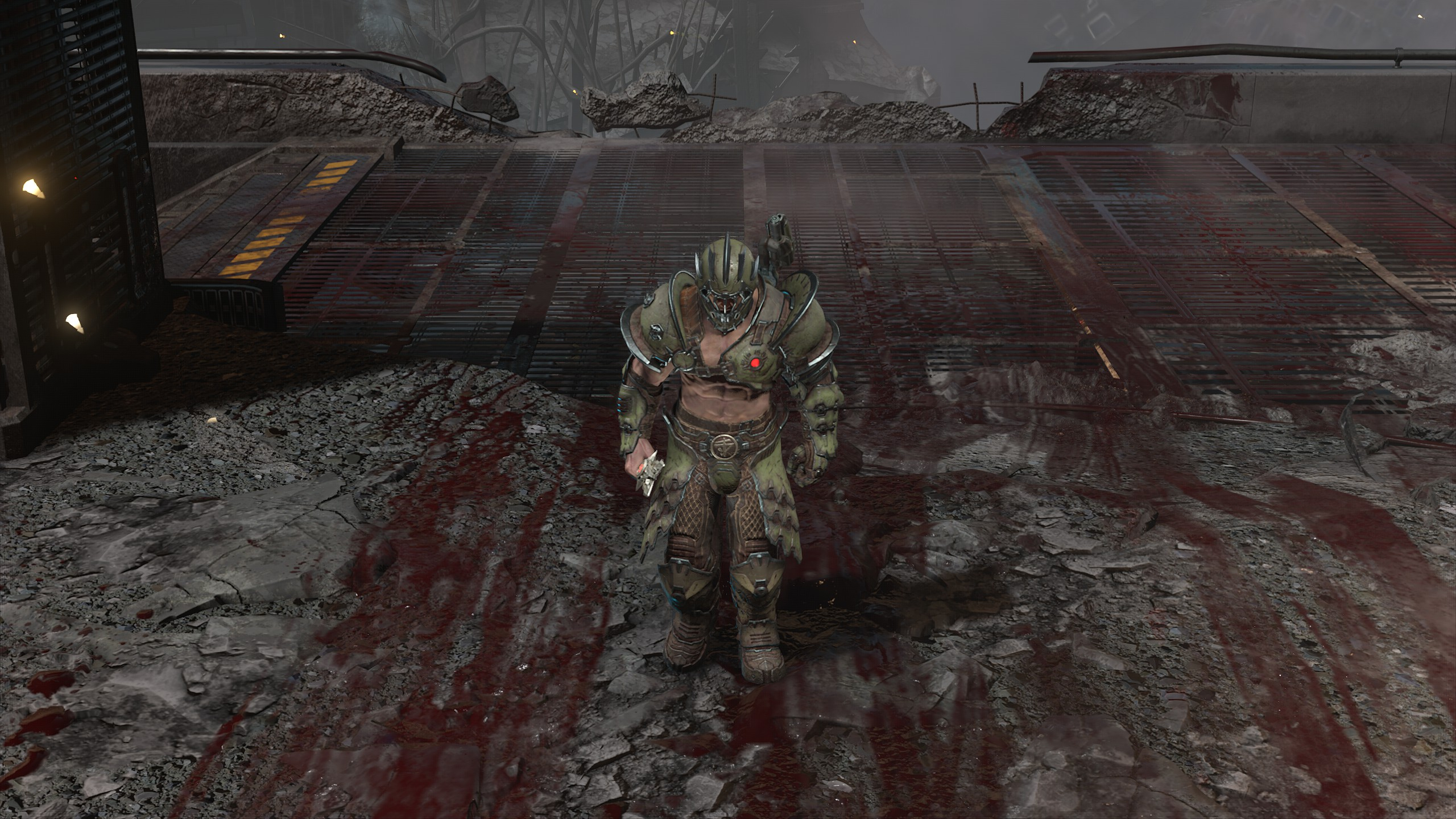
Games Completed: 155
Time: 8 weeks 29.87 hours
 _k
_k
Re: IC Secret Santa
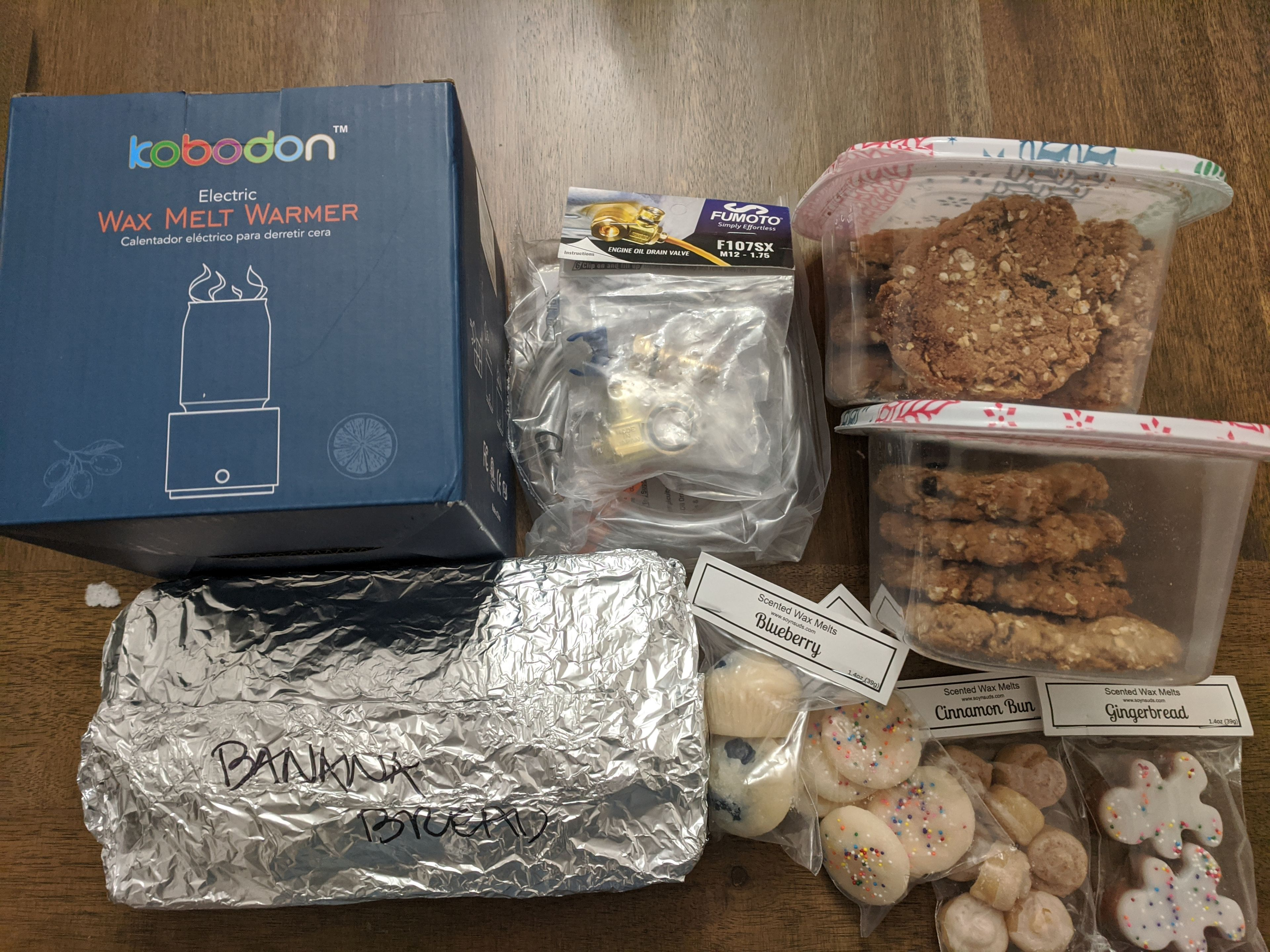
@HumerusMeg is trying to fatten me up for the holidays, it seems. My house will also smell very nice this year. Love you bunches ❤😍😁
 Ryder
Ryder
Re: Deepmind and what it means for the future of folding
Deepmind is a powerful (most powerful?) AI but it is still only entity. Science is obsessed with reproducing results until they can get to 5 sigma (99.999%). In the near term, F@H can help reach that level by targeting the proteins that Deepmind had solved. In the long term, with Deepmind cracking the "code", I hope it will lead to huge leap in more efficient and powerful algorithms on protein folding. Then Stanford and F@H can piggyback on that knowledge and unleash a new wave in Folding that sees the project knock out entire sequences of proteins in a few dozen months instead of dozens of years. I mean, almost 2 million GPU and CPU cores currently working with F@H, we are still a powerhouse.
 QCH
QCH







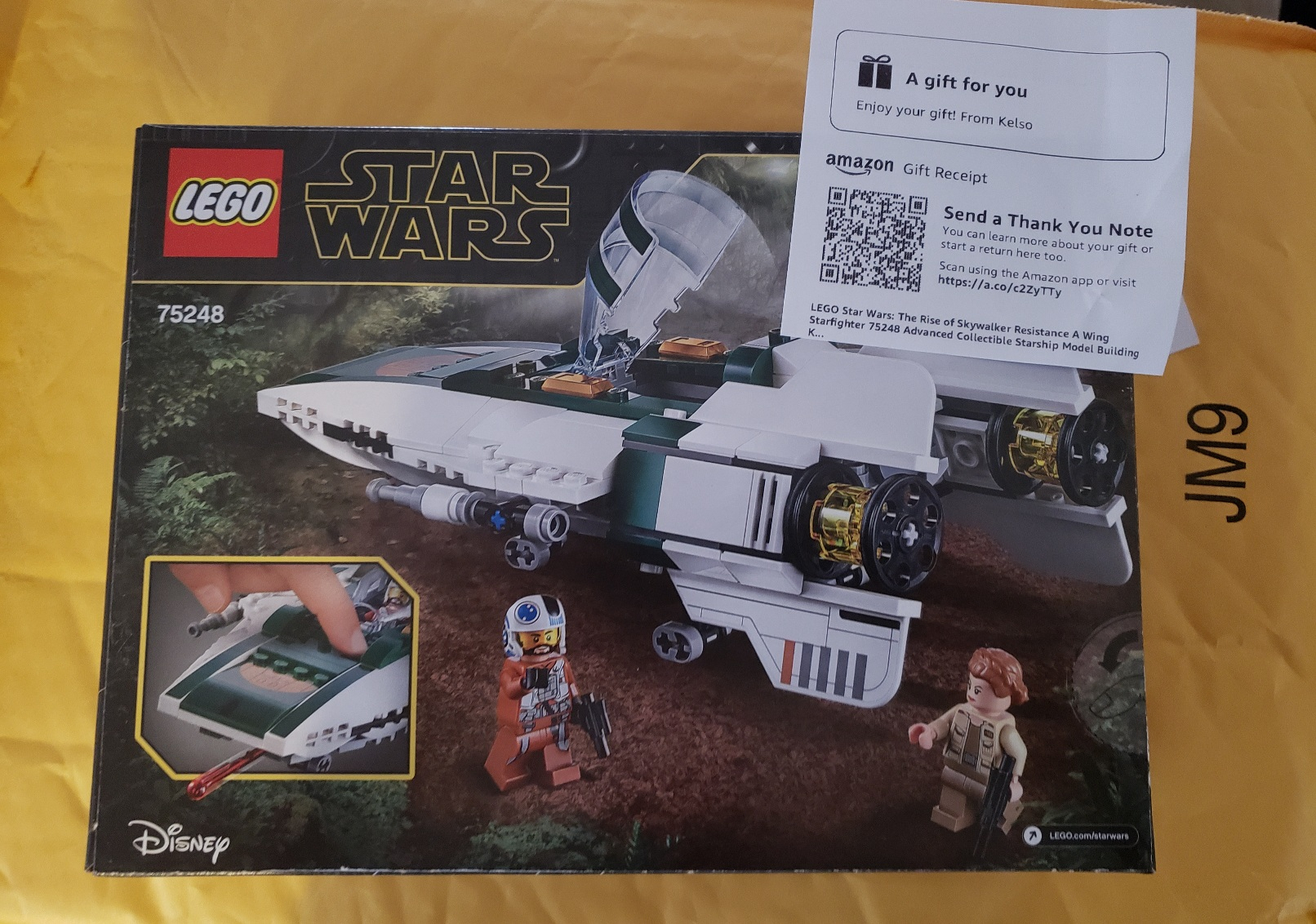

Re: F@h-La-La-La-La
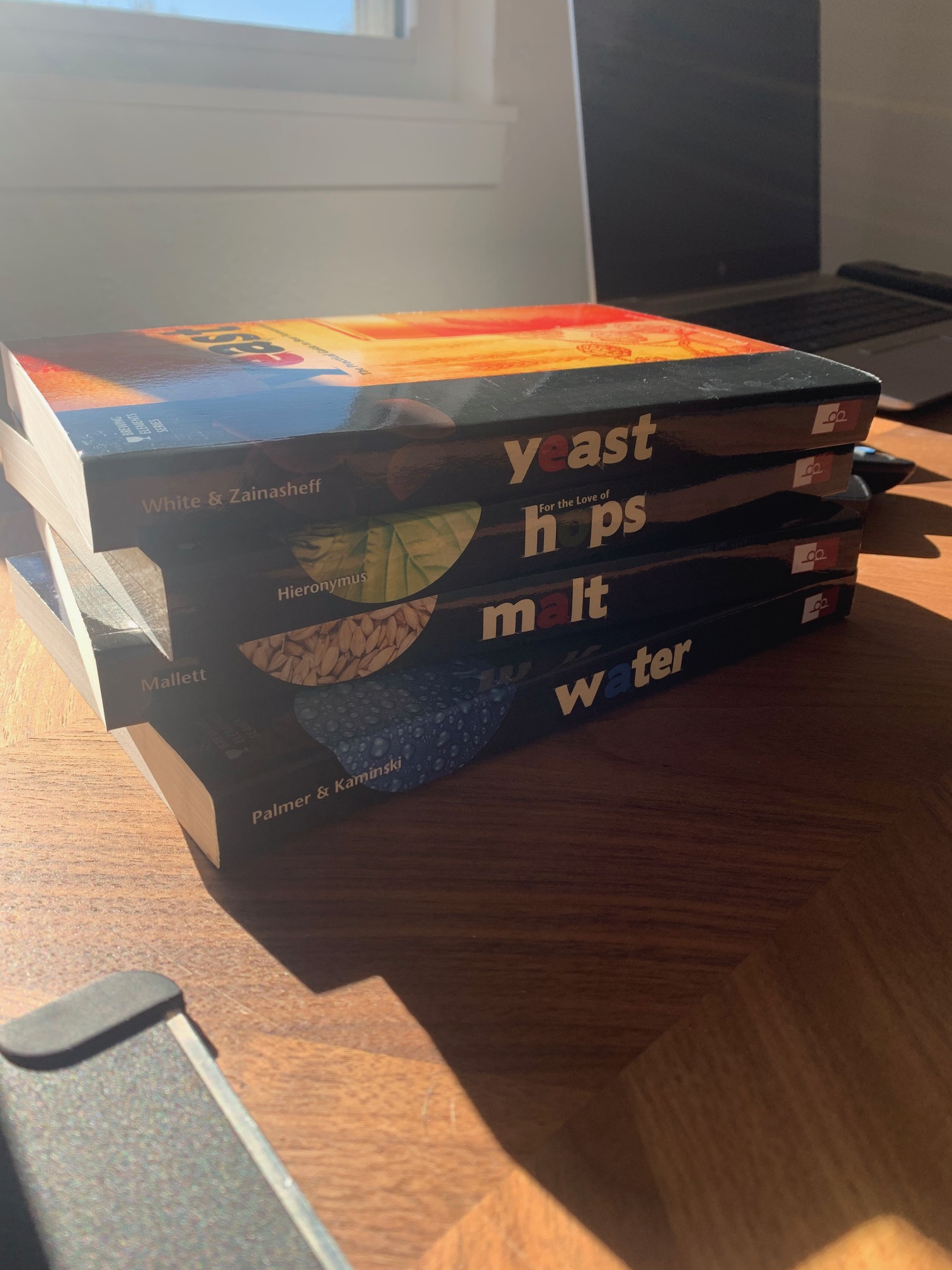
Other than my primary desktop, I moved folding rigs into the server room at work, so they're nice and cool. When everything is cranking I can usually do ~5M PPD.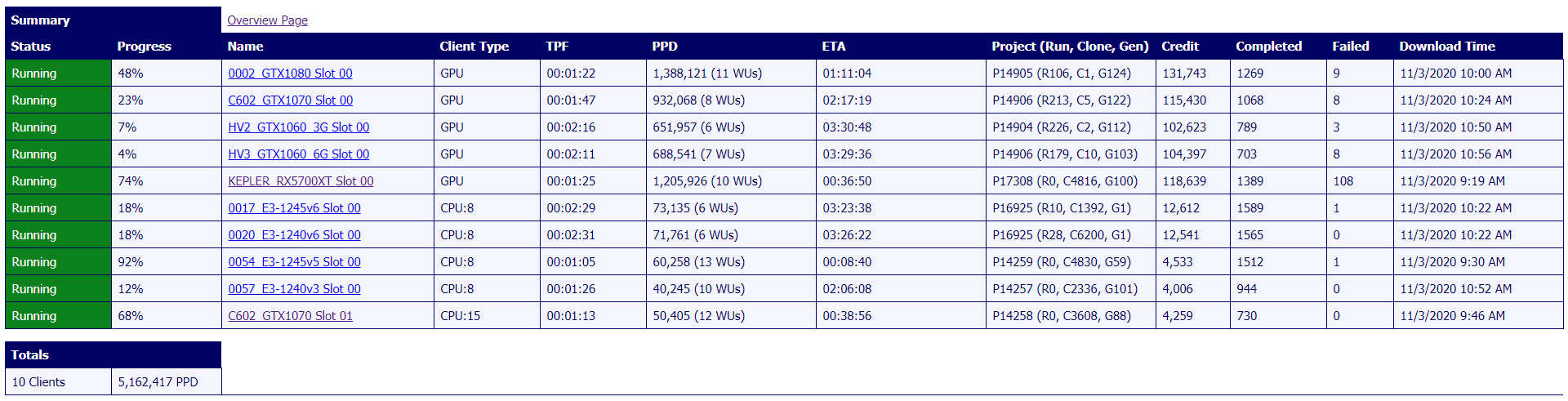
 mas0n
mas0n
Re: Killa.Cliff's Colossal Calamity
So I did a thing tonight. I used the Steam "delete this game from my library" feature on the support site to get rid of a good 120 games that I absolutely have no intent of playing or touching ever again. I still have too many, but now I can browse my library and actually make some reasonably educated decisions on a few things I might like to actually try, or go back and finish. I know it's the cowards way out, but it had to be done.

Re: F@h-La-La-La-La
New AMD GPU f@h data is up https://folding.lar.systems/folding_data/gpu_ppd_overall . Not to bad 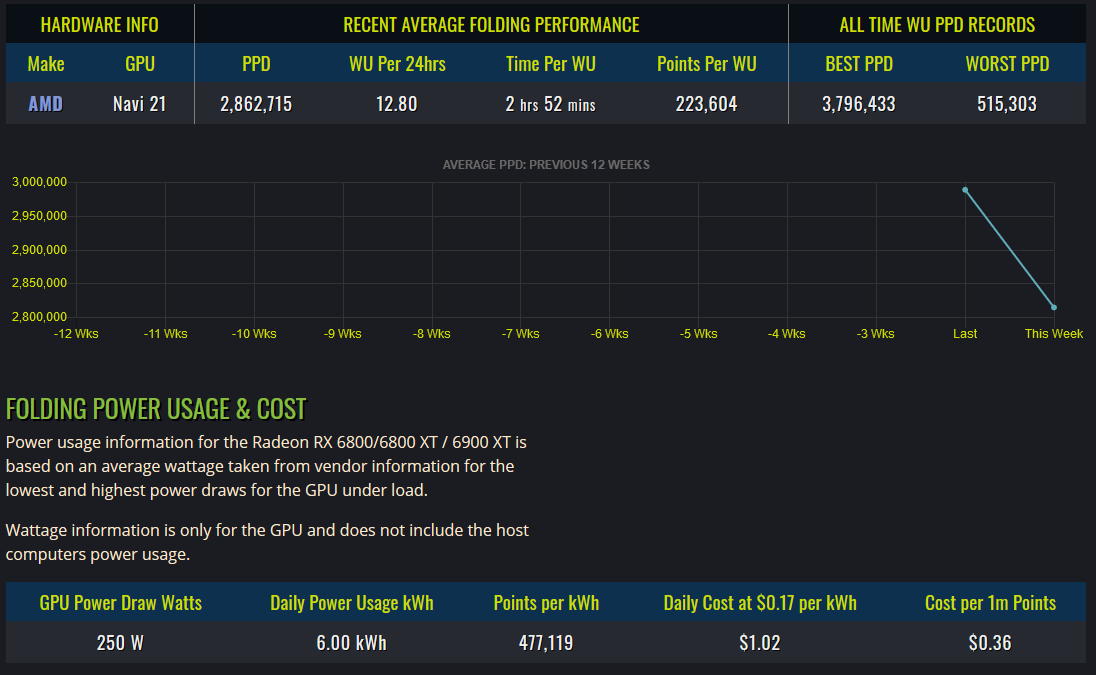
_k
Re: IC Secret Santa
I already got my gift from my Secret Santa! @Kwitko is on top of it. Thank you so much, Seth! 🥰🤗
(Essential oil diffuser and LOTS of dark chocolate)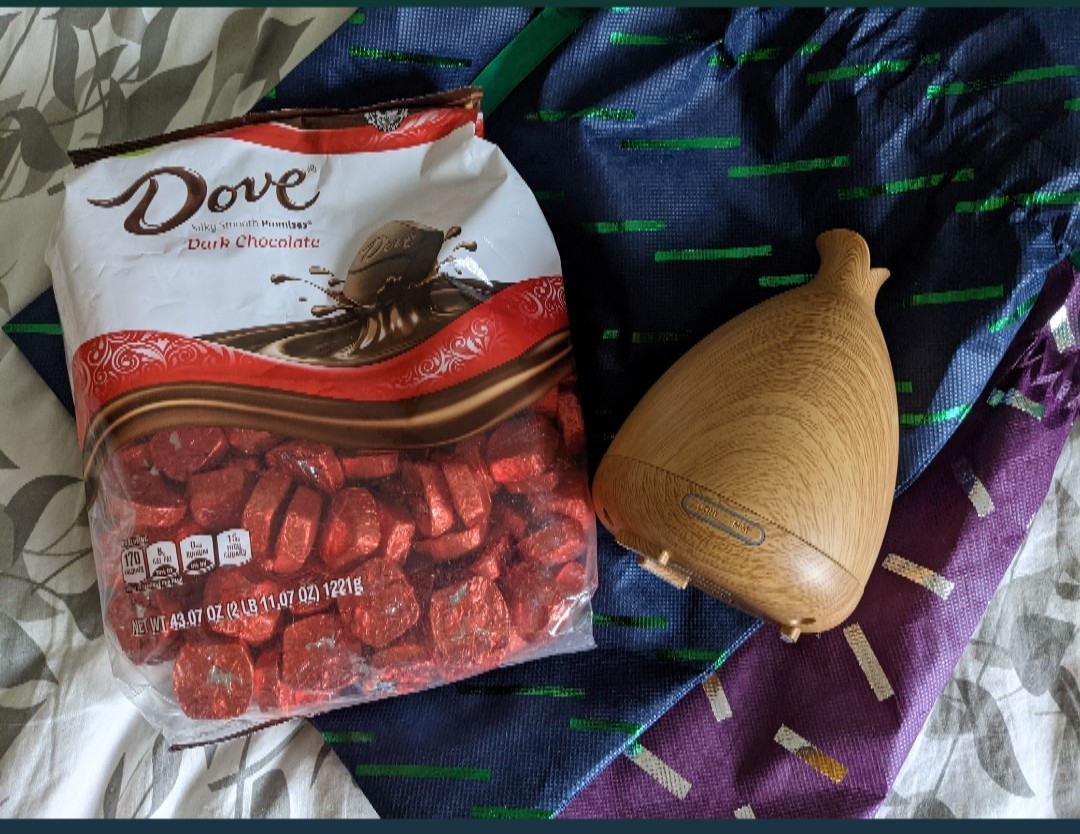
 WagsFTW