

The 2010 GSM Mobile World Conference kicked off today in Barcelona, and Microsoft hit the ground running with the official unveiling of Windows Mobile 7.
“Today, I’m proud to introduce Windows Phone 7 Series, the next generation of Windows Phones,” said Steve Ballmer, chief executive officer at Microsoft. “In a crowded market filled with phones that look the same and do the same things, I challenged the team to deliver a different kind of mobile experience. Windows Phone 7 Series marks a turning point toward phones that truly reflect the speed of people’s lives and their need to connect to other people and all kinds of seamless experiences.”
Completely rearchitected–at all levels of the OS–from prior versions of Windows Mobile, WinMo 7’s most dramatic element is undoubtedly its revamped UI. Based around a series of tiles (containing widgets, contacts, links or apps) and inspired largely by the interface of the Zune HD, Windows Mobile 7 is really quite a beautiful OS.
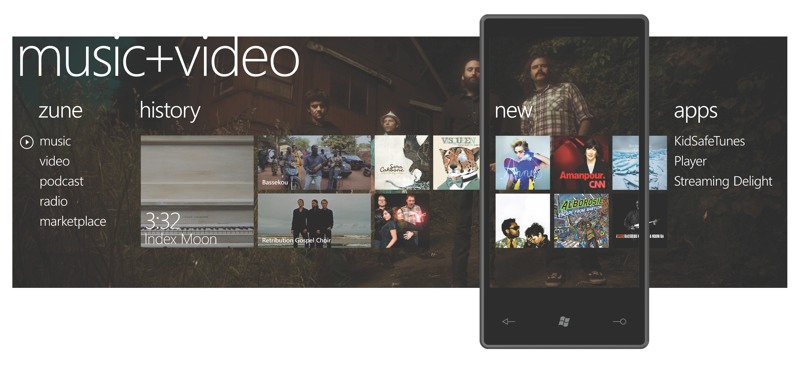
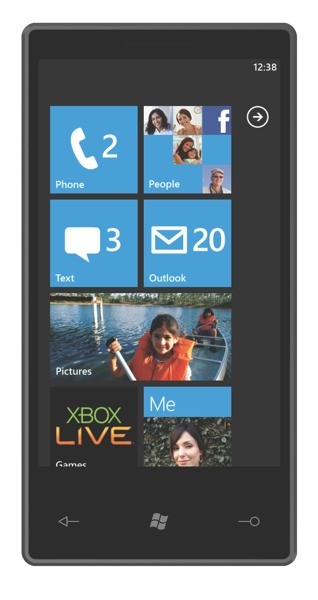
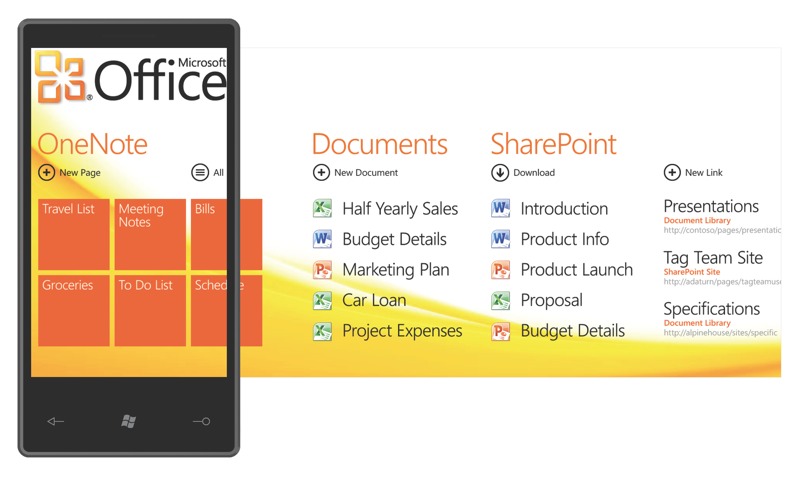
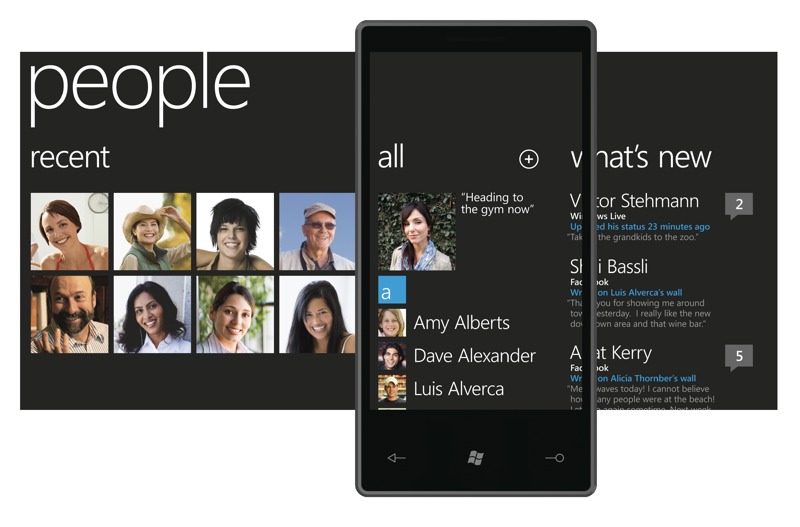
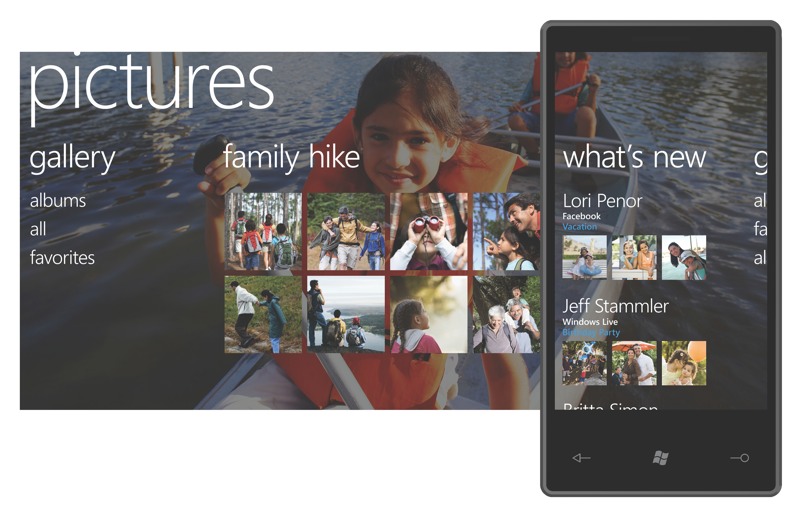
Once inside applications, they can be panned left and right as the images above suggest. Windows Mobile 7 also integrates substantial Zune and Xbox LIVE integration, going so far as to include what appears to be the full Zune HD software stack into the player, for example.
But what descriptions cannot convey is how these elements look in motion. To that end, Microsoft has published an outstanding video (apologies for Silverlight) that documents the outstanding fluidity, beauty and dynamism of their new product.
Quick facts about Windows Mobile 7
Getting straight to the heart of the matter, we’ve broken down everything that’s currently known about the new release in the list below:
- Microsoft’s official name for Windows Mobile 7 is awkward: Windows Phone 7 Series.
- Microsoft will ensure an ideal OS experience by dictating minimum hardware specs. This includes CPU types, CPU speeds, memory, screen sizes, the aspect ratio and the button configuration. This should avoid ecosystem fragmentation as Android has experienced in the time between the G1 and the Nexus One.
- Third-party UI enhancements like Sense or MOTOBLUR are forbidden. The OS will look the same on every phone, and present a unified identity.
- Every major western European and American wireless carrier has pledged to offer devices.
- Dell, Garmin-Asus, HTC, HP, LG, Samsung, Sony Ericsson and Toshiba will manufacture the first crop of phones.
- Qualcomm is also a hardware partner. We suspect this means that the Qualcomm Snapdragon may become the official, required CPU of Windows Mobile 7. Again, this is just speculation on our part.
- Handsets based on Windows Phone 7 Series will arrive in the October-December time frame.
- LIVE integration will include games, Spotlight feed and the ability to see a gamer’s avatar, Achievements and gamer profile.
- Adobe has said that Flash is coming for 7, but phones will not debut with Flash support.
- The OS “currently” does not have any multi-tasking support. This is a downer, but it is not yet clear how big an impact this is within the context of the experience, or if this decision will be revised.
- The entire OS is multi-touch aware.
- The browser is based on the desktop version of IE, but has been refined for sub-pixel rendering and a focus on accuracy of page rendering.
We’re certain more details will be released in due time, and you can be sure that Icrontic will keep you apprised as developments unfold.




 Articles RSS